
O+E · generating
The Empath

You have a refined sensitivity to others' needs and desires — naturally sensing what people truly want, and adjusting your expression, creativity, or product to respond. Your instinct isn't to analyze or solve — it's to feel what's needed and give it form.
Key Takeaways
✦You have a refined sensitivity to others' emotions, preferences, desires, and needs — you naturally sense what people truly want.
✦You tend to respond to perceived needs through giving — when you see someone in need, you instinctively think "what can I do?"
✦You naturally have audience sense and market intuition — what will resonate, you often sense before others do.
✦Your challenge isn't lack of creativity — it's that when you over-respond to external needs, you may gradually neglect your own.
What This Feels Like
- When someone says "I want..." your mind is already figuring out how to make it happen.
- You're easily drawn to things that meet others' needs — a great product, content, service — because you can feel why it's good.
- Your most fulfilling moments are often not "I made something" but "someone said this is exactly what I needed."
- You may find it hard to refuse requests, because you sense others' needs so readily that "not responding" makes you uncomfortable.
- When you keep giving without getting responses back, you can feel emptied — not physically tired, but "I've been giving and no one is giving to me."
Career Paths
✓ Likely a good fit
Product managementContent creationUX designBrand strategyMarketingUser researchSalesCustomer successCommunity operationsEducationEvent planning
✗ Likely a poor fit
Pure self-expression with no audience considerationPure technical execution ignoring user needsEnvironments that don't value understanding people
In Relationships
In relationships, you're especially sensitive to your partner's emotional and need shifts. You naturally want to respond, to give, to make them happy. Your care often doesn't require them to speak up — you can feel when they're having a bad day, or what they've been needing lately. Your challenge isn't 'not caring enough' — it's someone reminding you: what about your own needs? You're not sacrificing yourself; your attention just naturally points outward.
Not Every The Empath Is the Same
Having The Empath pattern does not mean you must "give" — sensing needs and responding to them are two steps. What's shared is the sensing itself.
It does not mean you're suited for sales or marketing — the core ability applies in any domain: relationships, content, product, education.
It does not mean your perception is always accurate — you may sense surface requests rather than true needs. Distinguishing the two is your growth task.
It does not mean you can't have a self — truly mature Empaths know when to respond and when to stop. Giving without boundaries isn't empathy, it's depletion.
The Empath vs The Problem Solver
| Dimension | This Pattern | The Problem Solver |
|---|---|---|
| Core Concern | "What do you want?" | "What's actually right?" |
| Facing Others | Senses needs, then responds | Analyzes problems, then solves |
| Thinking Direction | Sense → understand → respond | Analyze → diagnose → solve |
| Risk | Over-accommodating, losing yourself | Ignoring emotional needs, logic-only |
Decision Guide
Your advantage isn't problem-solving ability — it's a sharp sensitivity to 'what others truly want.' When facing a choice, you can ask: Will this resonate? Whose need does this respond to? But true empathy isn't just 'sense need → respond.' You also need to ask: Is this a need I should respond to? Will responding cost me myself? Don't forget that you have needs too, just because you're so good at sensing others'.
See this pattern in comics
View all comics →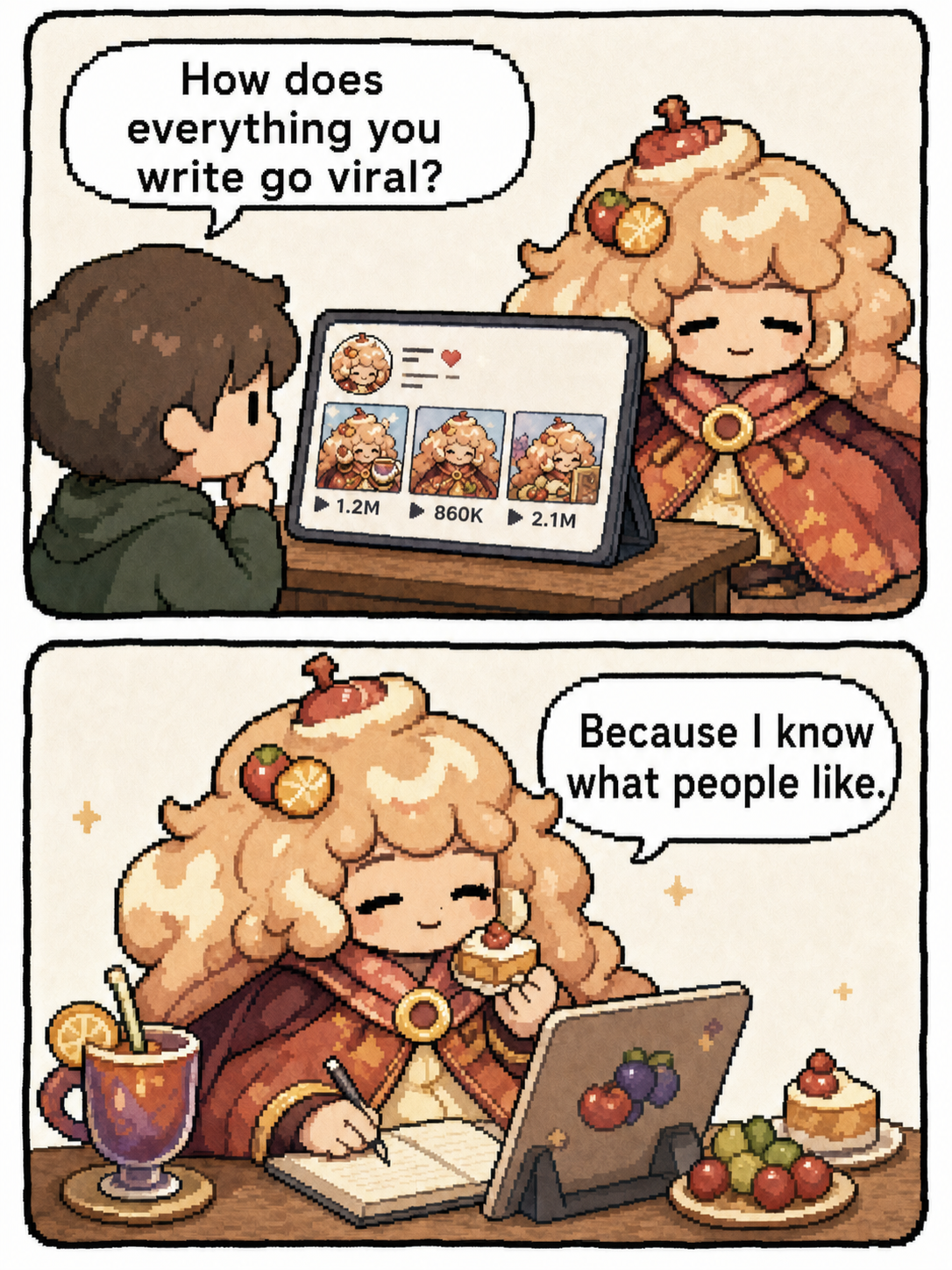
Disclaimer: Ba Zi is a personality framework for self-reflection, not a substitute for professional medical, financial, or legal advice. All patterns describe tendencies, not destinies.